Ray Garraty
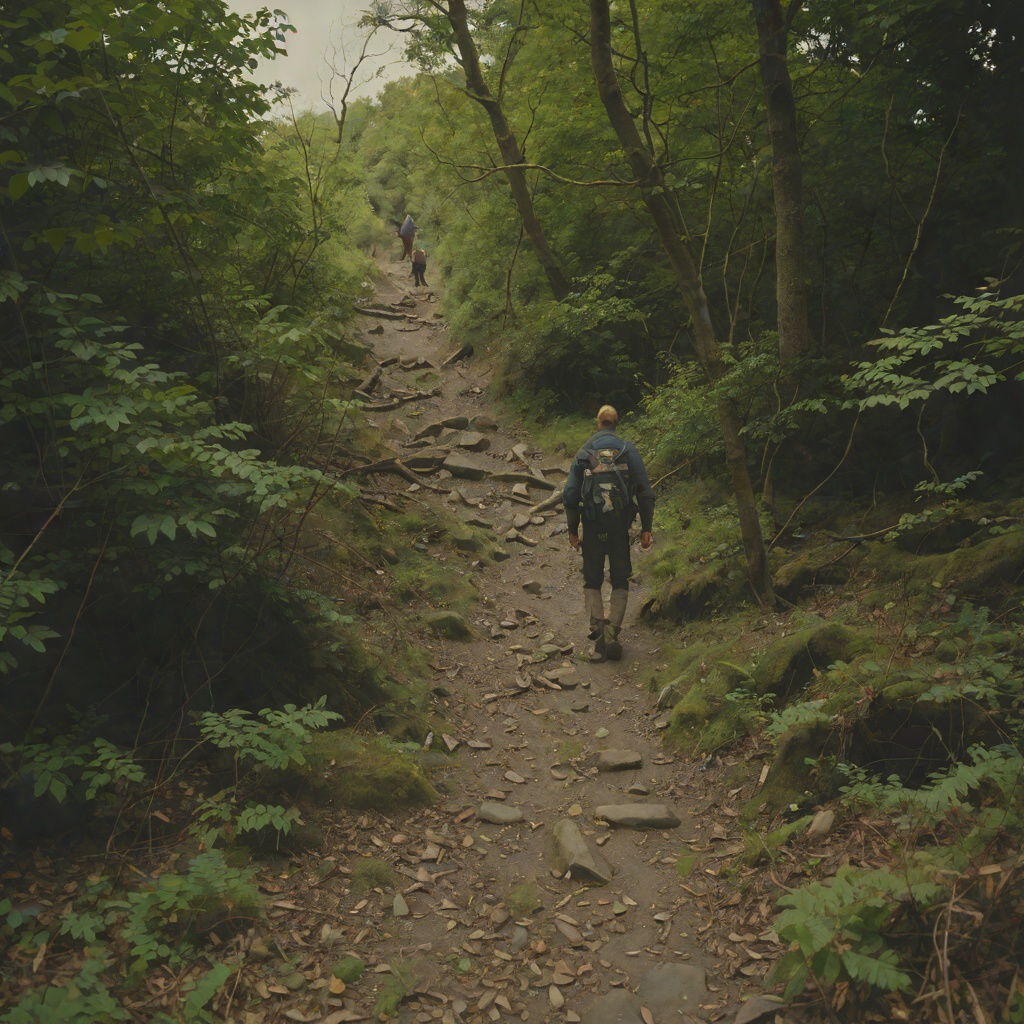
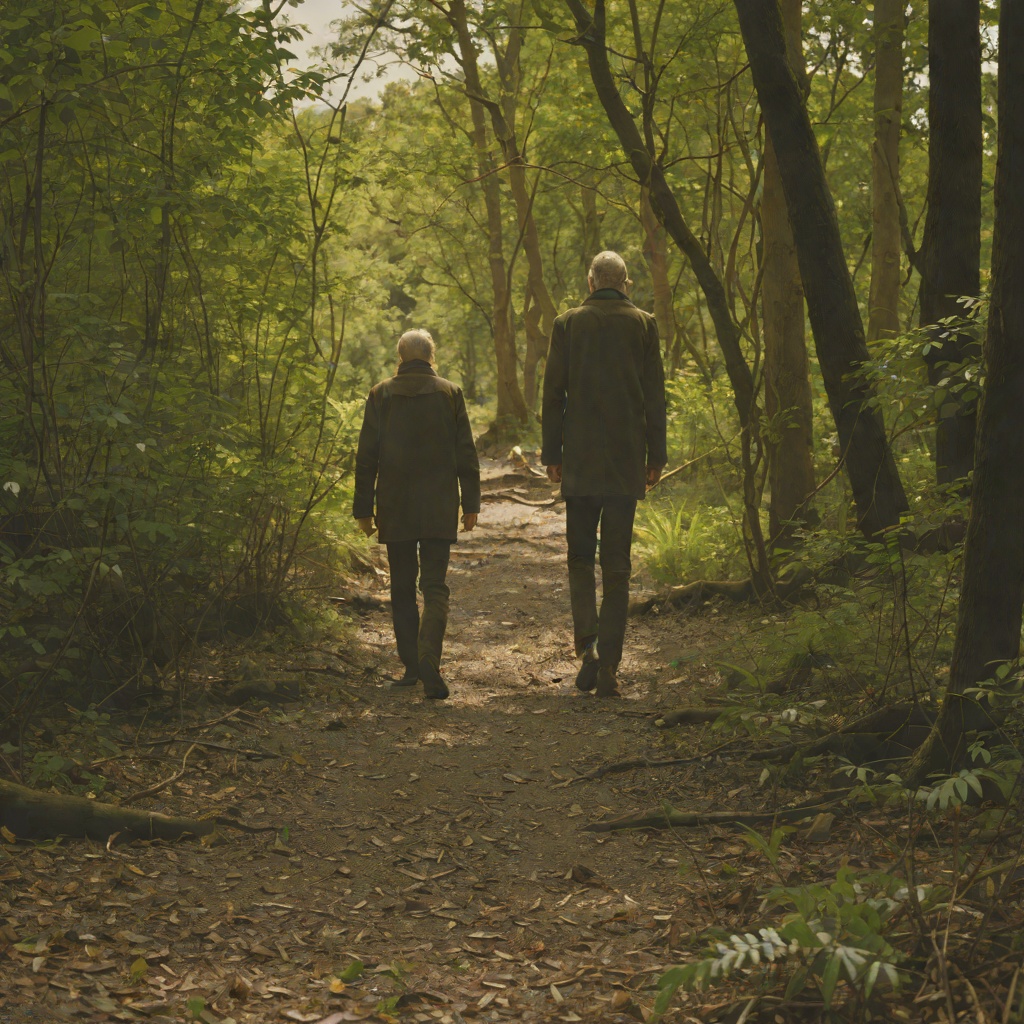
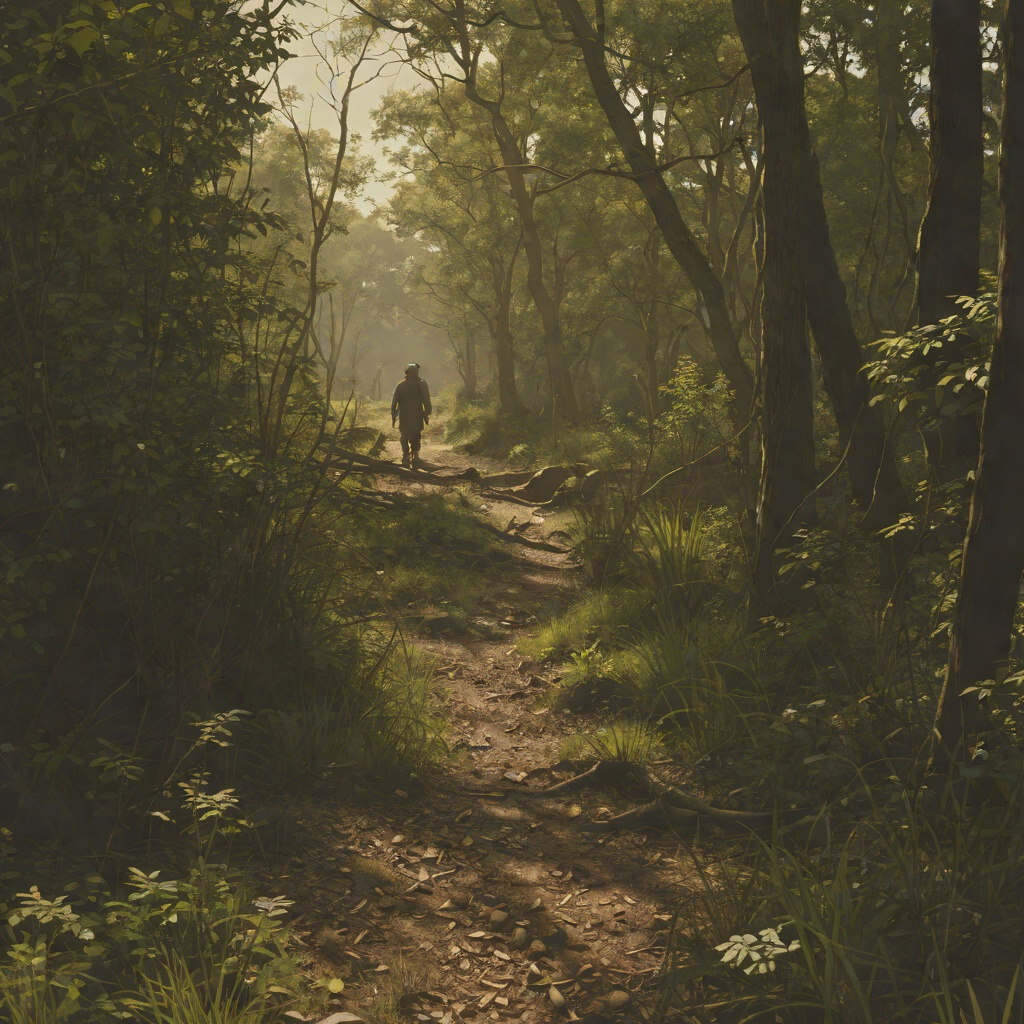
The Long WalkRay Garraty is the central Walker through whom the Long Walk becomes both a public spectacle and an intimate ordeal. Officially recorded as “GARRATY RAYMOND DAVIS” at RD 1 Pownal, Maine, in Androscoggin County, he enters the event as a named local favorite, “Maine's Own,” and gradually discovers that applause, romance, friendship, and personal courage offer no protection from a system that turns exhausted boys into legally sanctioned targets.
Identity and Introduction
Ray Garraty is introduced through bureaucratic identification before he is fully known as a person. The guarded parking lot, the blue plastic ID card, and the computer terminal reduce him to the formal name Raymond Davis Garraty and a rural Maine address. The machine’s classification establishes the tension that governs his story: Garraty possesses a precise civic identity, yet the Long Walk will treat him primarily as Walker number 47.
His first personal act is an awkward greeting to Peter McVries. Garraty introduces himself while feeling “mildly like an asshole,” a small moment of self-consciousness that contrasts with the confident public identity soon imposed upon him. When the Major assigns him number 47 and wishes him luck, Garraty experiences an almost overwhelming desire to touch the Major’s leg and confirm that the imposing authority figure is real. His response combines awe, nervousness, and a youthful susceptibility to the event’s ritual power.
Public Image and the Crowd
Garraty’s image changes quickly once the Walkers pass through populated areas. Families sit on lawns, wave, and drink Coca-Cola, while roads fill with police, horns, confetti, and spectators. He begins to feel important because he is “Maine's Own,” as if local approval could certify that he is destined to win. A sixteen-year-old girl’s hand-lettered sign, “GO-GO-GARRATY NUMBER 47 We Love You Ray ‘Maine's Own,’” makes his heart swell and briefly gives him absolute confidence in victory. The sign turns a private boy into a regional emblem.
That public identity is unstable because it depends on performance before strangers. In Caribou, a battery of lights transforms the road into a warm white lagoon, and a newspaperman with a long-reach microphone presses the media’s gaze upon the Walkers. Later, at the hundred-mile mark, the crowd becomes enormous: flashbulbs burst, State Police hold people behind orange nylon ropes, and a screaming child waves a toy glider and an autograph book. Garraty is surrounded not by simple support but by an audience that consumes exhaustion as entertainment.
Near Freeport, this pressure becomes physically dangerous. The crowd’s hands reach within inches of Garraty; one long arm actually twitches his shirt, and he recoils as though nearly pulled into a threshing machine. The soldiers aim their guns at him in case he attempts to vanish into the surge of humanity. The crowd therefore operates as both adulation and threat. Garraty’s public nickname promises belonging, while the mass itself threatens to erase his individual control over his body.
Witnessing Death and State Violence
Garraty’s understanding of the Walk is repeatedly forced into sharper focus by the deaths around him. When Curley is crippled and continues forward too slowly, everything seems to slow with him. The soldiers raise their guns, the crowd and Walkers gasp, and the formal warning system becomes the immediate prelude to execution. Garraty knows that Curley is going to “get his ticket,” but knowledge does not make the act bearable. Four carbines fire, and Curley’s head is destroyed before his body falls onto the white line. Garraty counts ninety-nine Walkers and tries to retreat into the childish rhythm of bottles of beer before repeating his horrified prayer that this is really happening.
The same structure appears when Travin suffers diarrhea while walking. The soldiers watch him, wait, and finally shoot him while his pants are down after he half-squats and half-falls. Garraty feels disgust and an animal terror rather than fascination; the scene strips away any romantic idea of endurance and replaces it with exposed bodily vulnerability. His response to Harkness’s businesslike prediction that another Walker will die is a desperate demand for silence. The Walk is governed by procedure, but Garraty experiences its consequences as humiliation, pain, and dread.
Hank Olson’s later condition makes the state’s violence even more grotesque. After his abdomen is torn open, Olson slowly regains his feet, crosses his hands over his belly, turns toward the direction of the Walk, and staggers onward while the soldiers keep their guns trained on him. His intestines slip through his fingers and hang against his groin; he vomits blood and bile, yet his face remains sweetly calm. Garraty witnesses the spectacle with wonder and horror. Olson’s continued movement shows how the rules can convert even catastrophic injury into apparent compliance: the Walker is still expected to walk until the state decides that the procedure has reached its endpoint.
Physical Collapse and Dependence on Others
Garraty’s own body eventually becomes the scene of the same contest between command and collapse. During the night, he struggles with a seized leg, digging his fingers into frozen straps and harnesses of muscle, kneading and flexing while mentally urging it to continue. Stebbins passes him and murmurs something that Garraty cannot catch, perhaps good luck, before Garraty is left sitting on the broken white line. The surrounding carnival has disappeared; only a young blond soldier remains, holding a silver chronometer in one hand and a rifle in the other. The combination of timekeeping and weaponry makes the governing logic unmistakable. Garraty receives his third warning and believes the muscle will not loosen, concluding that he is going to die.
Even ordinary bodily functions become perilous. When his bowels contract painfully, Garraty forces himself beyond the glare of an overhead light, unbuckles his belt, lowers his pants protectively, and squats. His knees pop, while the muscles of his thighs and calves protest against the altered movement. A voice points him out as a “poor bastard,” and flashbulbs go off as Garraty turns away in misery. The scene shows how completely the Walkers’ private bodily life has been annexed by spectatorship: pain is not merely endured but displayed, labeled, and photographed.
Jan, His Mother, and the Final Emotional Stakes
Garraty’s emotional horizon is tied to Jan and to his mother, whose presence gives the Walk a destination beyond survival. At Freeport, however, the crowd initially yields no familiar face. Rain, a fire siren, falling ticker tape, and Klingerman’s shrieking voice merge into an overwhelming soundscape while Garraty’s body nearly gives out. He wants to stop despite being only a short distance from Woolman’s, because the possibility that Jan and his mother are absent makes continued movement seem pointless.
He finally sees Jan waving the blue silk scarf he gave her for her birthday, with his mother beside her in a plain black coat. The crowd has jammed them together and sways them helplessly, while a television camera intrudes over Jan’s shoulder. Recognition produces a sudden physical reversal: the sore within Garraty seems to burst, and he breaks into a shambling run toward them despite ripped socks and swollen feet. His repeated cry of Jan’s name turns the reunion into the emotional counterweight to the Walk’s mechanical violence. Love does not end the ordeal, but it briefly restores a personal meaning to movement.
Change, Loyalty, and the Unresolved End
Garraty’s trajectory is not a simple rise from weakness to heroism. At the beginning, the crowd’s sign makes him feel certain that he will win; later, public attention becomes invasive, and the dead bodies of Curley, Travin, and Olson teach him that winning is inseparable from watching others be destroyed. His courage is therefore mixed with fear, shame, physical dependency, and the recurring temptation to stop. The central change is his loss of innocent confidence: “Maine's Own” becomes less a triumphant identity than a burden carried before an audience.
His attachment to other Walkers also remains essential. Peter McVries is too exhausted even to look at him when he sits down cross-legged on the pavement, appearing like a world-beaten monk. Garraty tries to lift him, but McVries is too heavy despite his thinness. Two soldiers wrench McVries away and place their guns against his head. Garraty begs them to shoot him instead, offering himself as the substitute, but the soldiers answer by giving him his third warning. The moment exposes both Garraty’s loyalty and the limits of that loyalty: he can attempt to share McVries’s fate, yet the system refuses the exchange and returns him to the numbered discipline of the Walk.
Garraty’s significance lies in this collision between the ordinary and the ceremonial. He begins as a specific boy from Pownal, with a mother, a girlfriend, a local reputation, and a number assigned by the Major. The event surrounds him with signs, cameras, ropes, guns, warnings, and crowds until his body becomes public property. Yet his responses to Jan, his mother, McVries, and the dying Walkers preserve flashes of individual feeling inside that machinery. Ray Garraty is consequently not only the event’s apparent hero but also its most vulnerable witness: the boy who keeps walking while learning that every promise of recognition can become another form of exposure.